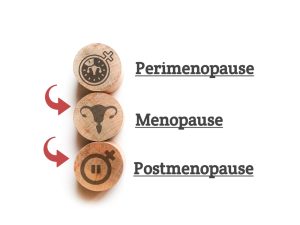

Many women assume that pregnancy becomes impossible once they enter their 40s. While fertility does decline with age, pregnancy can still occur during a transitional stage of life known as perimenopause. A more pressing question, however, is whether it is dangerous to get pregnant during menopause.
Age-related changes in reproductive health, hormone balance, and egg quality can increase the likelihood of complications. At the same time, many women today are choosing to have children later in life, making it important to understand both the possibilities and the risks.
Understanding what perimenopause is, how it affects fertility, and what factors may influence pregnancy outcomes can help individuals make informed decisions about their reproductive health.
What Is Perimenopause?
Perimenopause is the transitional period leading up to menopause. During this stage, hormone levels begin to fluctuate as the ovaries gradually reduce their production of estrogen and progesterone.
Perimenopause typically begins in a woman’s 40s but can sometimes start in the late 30s. The transition may last anywhere from four to ten years before menopause occurs. Menopause itself is defined as the point when a woman has gone 12 consecutive months without a menstrual period. Until that point, ovulation may still occur, which means pregnancy remains possible.
Can You Get Pregnant During Perimenopause?
Yes, pregnancy during perimenopause is possible, though it becomes less likely with age. A woman is born with a finite number of eggs, and both the quantity and quality of those eggs decline over time. By the early 40s, fertility rates decrease significantly.
However, ovulation may still occur intermittently during perimenopause. If ovulation happens and sperm is present, conception can occur. Because cycles become irregular during this stage, predicting ovulation may become more difficult. Some women mistakenly assume they can no longer conceive and stop using contraception, which can lead to unexpected pregnancies.
Why Fertility Declines with Age
Fertility naturally declines as women age due to several biological factors:
Egg Quantity
Women are born with approximately one to two million eggs. By puberty, that number drops to around 300,000. Over time, eggs continue to decline in number until the ovarian reserve becomes depleted. By the late 30s and early 40s, the number of remaining eggs decreases significantly.
Egg Quality
Egg quality also declines with age. Older eggs are more likely to contain chromosomal abnormalities, which can affect embryo development. This increase in chromosomal abnormalities contributes to higher rates of miscarriage and genetic conditions in later pregnancies, making pregnancy during perimenopause more dangerous.
Hormonal Changes
Hormone levels also become less stable during perimenopause. Fluctuations in estrogen, progesterone, and follicle-stimulating hormone (FSH) can disrupt ovulation and make conception more difficult.
Risks for the Mother
Pregnancy later in life is increasingly common, but it may come with certain health considerations for both the mother and the baby. While many women have healthy pregnancies in their 40s, doctors often monitor these perimenopausal pregnancies more closely for danger signs.
Several maternal health risks become more common with age:
Gestational Diabetes
Gestational diabetes occurs when blood sugar levels become elevated during pregnancy. Older maternal age is associated with a higher risk of developing this condition. Gestational diabetes can increase the risk of danger during a perimenopause pregnancy and delivery.
High Blood Pressure and Preeclampsia
Pregnancy-related hypertension and preeclampsia are also more common in pregnancies later in life. These conditions involve elevated blood pressure and can affect both maternal and fetal health.
Increased Likelihood of Cesarean Delivery
Older mothers may have a higher likelihood of requiring a cesarean section due to complications during labor.
Risks for the Baby
Pregnancy during perimenopause can also be dangerous for the developing baby:
Chromosomal Conditions
The risk of chromosomal conditions, such as Down syndrome, increases with maternal age due to changes in egg quality.
Premature Birth
Babies born to older mothers may have a slightly higher risk of being born prematurely.
Low Birth Weight
Low birth weight may occur more frequently in pregnancies later in life.
Placental Complications
Placental issues, such as placenta previa or placental insufficiency, can also occur more often in later pregnancies.
Miscarriage
Miscarriage rates increase with maternal age, largely due to chromosomal abnormalities in eggs.
How Functional Medicine May Support Fertility
While fertility naturally declines with age, some individuals seek ways to support reproductive health through integrative or functional medicine. Functional medicine focuses on identifying and addressing underlying factors that influence overall health, including those that affect fertility.
Rather than focusing solely on reproductive organs, this approach considers the whole body. Some areas that functional medicine practitioners often evaluate include the following:
- Hormone balance
- Metabolic health
- Nutrient status
- Gut health
- Inflammation levels
- Stress and nervous system function
By addressing these areas, practitioners aim to support overall health and create conditions that may be more favorable for fertility. However, it is important to note that no medical approach can guarantee a danger-free pregnancy, especially during perimenopause when biological factors naturally limit fertility.
Lifestyle Factors That May Support Reproductive Health
Functional medicine often includes lifestyle strategies that support hormonal balance and overall health:
Nutrition
A nutrient-dense diet supports hormone production and reproductive health. Nutrients such as folate, omega-3 fatty acids, zinc, and vitamin D play important roles in fertility.
Stress Management
Chronic stress can disrupt hormone signaling and interfere with ovulation. Practices such as mindfulness, yoga, and breathing exercises may help regulate the stress response.
Sleep
Sleep is essential for hormone regulation. Poor sleep can affect cortisol levels and disrupt reproductive hormone balance.
Metabolic Health
Blood sugar regulation and insulin sensitivity influence hormonal balance and reproductive function.
Supporting metabolic health may improve overall reproductive wellness.
Integrative Fertility Care in Colorado Springs
For individuals exploring fertility support later in life, integrative fertility care may provide a more comprehensive evaluation of reproductive health. Programs such as those offered at True Life Medicine focus on identifying underlying health factors that may influence fertility and overall well-being.
Our integrative fertility approach considers hormonal balance, metabolic health, nutritional status, and other factors that may affect reproductive function. While no approach can promise pregnancy, particularly during perimenopause, addressing whole-body health may help individuals better understand their fertility and explore potential options.
To learn more, visit: https://truelifemedicine.com/integrative-fertility-doctor-colorado-springs.
The Bottom Line
Getting pregnant during perimenopause is possible, but it often comes with increased medical considerations for both mother and baby. Declining egg quality, hormonal fluctuations, and age-related health changes can increase the risk of complications.
For women considering whether pregnancy during perimenopause is dangerous, working closely with experienced healthcare providers is essential. While fertility naturally declines with age, approaches such as integrative and functional medicine may help support overall reproductive health by addressing hormonal balance, metabolic function, and lifestyle factors.
Every fertility journey is unique, and understanding the changes that occur during perimenopause can help individuals make informed decisions about their reproductive future. To learn more about integrative fertility care, visit:
https://truelifemedicine.com/integrative-fertility-doctor-colorado-springs.