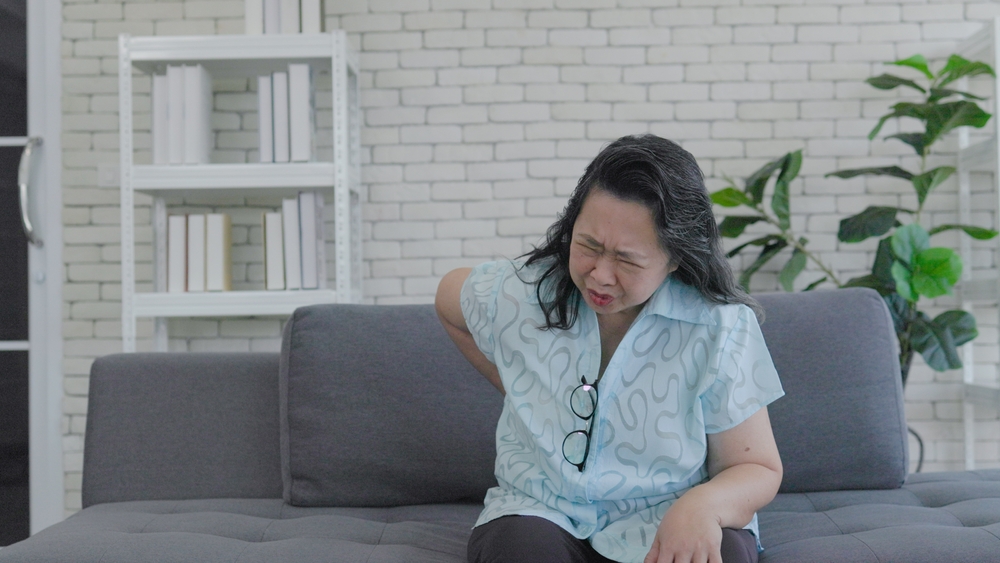
Experiencing postmenopausal cramping and lower back pain can be confusing and even alarming for many women. After menopause, it is often assumed that pelvic symptoms such as cramping should stop completely. So, when they appear again, it naturally raises concern.
No wonder many women are asking, “Why am I having cramping and lower back pain after menopause?”
The short answer is that postmenopausal symptoms can still occur due to ongoing hormonal changes, structural shifts in the body, and underlying inflammation. In some cases, these symptoms are benign, while in others they may signal a deeper imbalance that should be evaluated.
What Is Postmenopause?
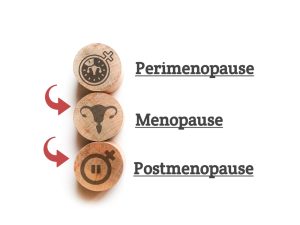
Postmenopause refers to the stage of life that begins after a woman has gone 12 consecutive months without a menstrual period.
At this point, ovarian hormone production, primarily estrogen and progesterone, has significantly declined and remains at consistently low levels. These hormones previously played essential roles in:
- Regulating the menstrual cycle
- Supporting uterine and pelvic tissue health
- Maintaining bone and joint integrity
- Modulating inflammation
- Supporting nervous system and pain signaling
Even though menstruation has ended, the body does not become hormonally inactive. Instead, it enters a new hormonal baseline that continues to influence nearly every system in the body.
How Postmenopause Affects the Body
Postmenopause is not a sudden stop in hormone activity. It is a long-term adjustment phase. When estrogen and progesterone remain low, the body undergoes several changes:
- Connective tissue becomes less elastic
- Bone density gradually decreases
- Inflammation levels may increase
- Muscle tone and pelvic support structures weaken
- Pain perception can become more sensitive
These changes can contribute to new or recurring symptoms associated with postmenopause, including cramping and lower back pain.
Why Postmenopausal Cramping Can Happen
Cramping after menopause can feel unexpected, but it is not always unusual. Several mechanisms may contribute to this symptom.
1. Uterine and Pelvic Muscle Changes
Even after menstruation stops, the uterus and surrounding pelvic muscles remain in the body.
Low estrogen levels can lead to:
- Reduced tissue elasticity
- Changes in blood flow
- Increased sensitivity in pelvic nerves
This can create sensations similar to menstrual cramps, even without a menstrual cycle.
2. Hormonal Fluctuations and Residual Activity
Although estrogen and progesterone are lower in postmenopause, the body still produces small amounts through adrenal and peripheral tissues. These fluctuations can occasionally influence:
- Uterine muscle activity
- Pelvic nerve signaling
- Inflammatory responses
This may result in intermittent cramping sensations.
3. Inflammation in the Pelvic Region
Chronic low-grade inflammation can contribute to discomfort in the pelvic and abdominal area. Inflammation may be influenced by:
- Metabolic changes
- Gut health imbalance
- Immune system shifts
- Hormonal decline
Inflammation can sensitize nerves in the pelvic region, making normal sensations feel like cramping.
4. Gastrointestinal Causes
Sometimes what feels like uterine cramping is actually digestive in origin. Common contributors include the following:
- Constipation
- Gas buildup
- Irritable bowel patterns
- Food sensitivities
Because the intestines are located near the uterus and lower back, pain can feel similar to menstrual cramps.
Why Postmenopausal Lower Back Pain Happens
Lower back pain is another common complaint in postmenopausal women. This symptom is often multifactorial.
1. Hormonal Decline and Joint Changes
Estrogen helps maintain:
- Joint lubrication
- Connective tissue integrity
- Muscle recovery
When estrogen declines, the spine and surrounding muscles may become more prone to stiffness and discomfort.
2. Bone Density Loss
Postmenopause is associated with gradual loss of bone density. This can lead to:
- Structural changes in the spine
- Increased risk of compression and strain
- Reduced spinal support
Even mild bone loss can contribute to chronic lower back discomfort.
3. Muscle Weakness and Postural Changes
As muscle mass naturally declines with age and hormonal changes, core and back support can weaken. This may result in:
- Poor posture
- Increased spinal load
- Muscle fatigue and tightness
These factors often contribute to persistent lower back pain.
4. Inflammation and Nerve Sensitivity
Inflammation can affect pain perception by sensitizing nerves in the lower back region.
This can make normal movement or posture feel more painful than it should.
5. Referred Pain from Pelvic Organs
Sometimes pelvic issues can present as lower back pain due to shared nerve pathways.
This is why cramping and back pain often occur together in postmenopausal women.
When Cramping and Back Pain Should Be Evaluated
While many cases are benign, persistent or severe symptoms of postmenopausal cramping and lower back pain should be evaluated, especially if they include the following:
- Unexplained pelvic pain
- Pain that is worsening over time
- Bloating or digestive changes
- Unusual discharge or bleeding
- Significant fatigue or systemic symptoms
These signs may indicate an underlying imbalance that requires further assessment.
How Functional Medicine Can Help
Postmenopausal cramping and lower back pain are often not caused by a single issue. Instead, they typically reflect a combination of hormonal, structural, digestive, and inflammatory factors.
A functional medicine approach focuses on identifying these root causes rather than only treating symptoms. A functional evaluation may include:
- Hormone testing (estrogen, progesterone, cortisol)
- Inflammatory marker assessment
- Gut health evaluation
- Bone density and metabolic screening
- Lifestyle and stress analysis
This allows for a more complete understanding of why symptoms are occurring.
Instead of treating cramping or pain in isolation, functional medicine aims to restore balance across multiple systems so that symptoms improve at their source.
How a Functional Doctor Approaches These Symptoms
A functional doctor will typically look at postmenopausal cramping and lower back pain through a systems-based lens. This may involve:
- Identifying hormonal deficiencies or imbalances
- Evaluating inflammation and immune activity
- Assessing musculoskeletal and bone health
- Reviewing digestive function and gut health
- Understanding stress and cortisol patterns
By connecting these systems, it becomes easier to understand why symptoms are occurring and how to address them effectively.
Comprehensive Postmenopausal Care at True Life Medicine
If you are experiencing postmenopausal cramping, lower back pain, or other ongoing symptoms, a deeper evaluation may be helpful.
At True Life Medicine, women’s hormone health is approached through a comprehensive, root-cause model that focuses on identifying the underlying drivers of symptoms rather than masking them. Our approach helps patients:
- Understand hormonal changes after menopause
- Identify root causes of pain and inflammation
- Evaluate metabolic, hormonal, and digestive health
- Develop personalized treatment strategies for long-term wellness
If you are looking for comprehensive postmenopausal care, you can learn more here: https://truelifemedicine.com/womens-hormone-doctor-colorado-springs
Postmenopause, Cramping, and Back Pain
Postmenopausal cramping and lower back pain can be concerning, but they are often the result of complex interactions among hormonal decline, inflammation, musculoskeletal changes, and digestive or pelvic system factors.
After menopause, the body continues to adapt to lower levels of estrogen and progesterone, which can influence pain perception, tissue health, and systemic inflammation. Because these symptoms often have multiple contributing causes, a comprehensive and root-cause approach is essential. Functional medicine provides a way to evaluate the whole system and identify why symptoms are occurring, rather than simply managing discomfort.
With the right evaluation and support, it is possible to better understand these changes and improve quality of life in the postmenopausal stage. Visit True Life Medicine today for comprehensive postmenopausal care: https://truelifemedicine.com/womens-hormone-doctor-colorado-springs