Receiving a diagnosis of endometriosis can raise many questions, especially for individuals who hope to have children. One of the most common concerns is whether you can still get pregnant if you have endometriosis.
The answer is yes: Many people with endometriosis can still get pregnant. However, the condition can make conception more challenging for some individuals, depending on its severity and how it affects the reproductive organs.
Understanding how endometriosis works in the body, how it can influence fertility, and what options may help support reproductive health can provide clarity and hope for those navigating fertility with this condition.
What Is Endometriosis?
Endometriosis is a chronic condition in which tissue similar to the lining of the uterus (the endometrium) grows outside the uterus. These growths can occur on the ovaries, fallopian tubes, pelvic lining, or other organs within the abdomen.
Just like the normal uterine lining, this tissue responds to hormonal changes during the menstrual cycle. Each month it thickens and breaks down, but unlike the uterine lining, it has no way to leave the body. As a result, the trapped tissue can cause…
- Inflammation
- Scar tissue formation
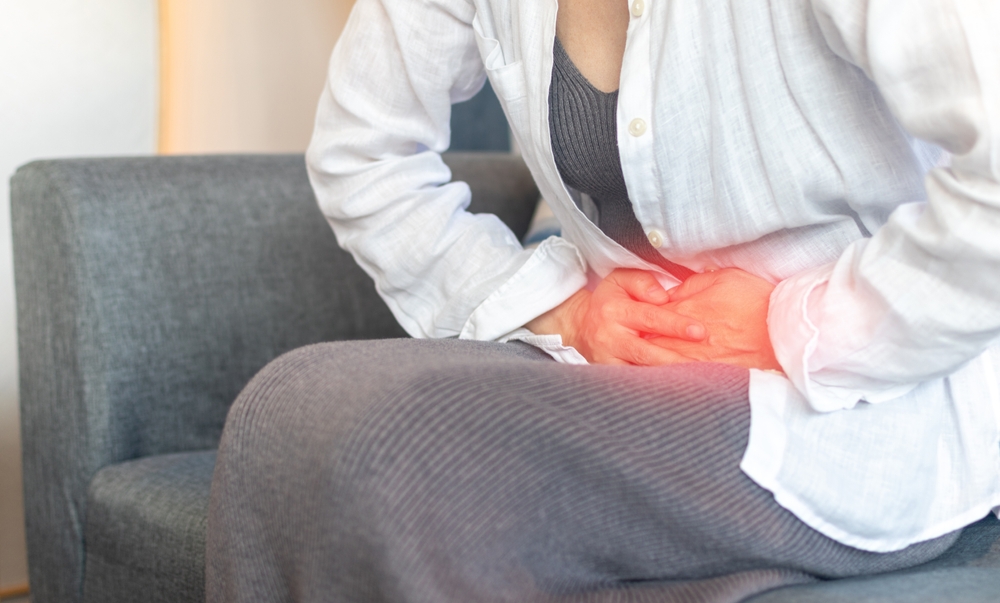
- Pelvic pain
- Adhesions between organs
- Fertility challenges
Endometriosis affects roughly 10–15% of women of reproductive age, making it one of the most common gynecological conditions. Symptoms can vary widely. Some individuals experience severe pelvic pain and heavy periods, while others may have few noticeable symptoms and only discover the condition during fertility testing. But what does this mean for people who want to get pregnant but have endometriosis?
How Endometriosis Can Affect Fertility
Although many people with endometriosis conceive naturally, fertility challenges are more common in those with the condition. Research suggests that 30–50% of people with endometriosis may experience infertility. However, it is important to remember that infertility is not inevitable. Many individuals with endometriosis still get pregnant, sometimes naturally and sometimes with medical support.
Endometriosis can affect fertility in several ways:
Structural Changes in the Reproductive Organs
Scar tissue caused by endometriosis may distort the anatomy of the pelvis. For example…
- Fallopian tubes may become blocked or kinked
- Ovaries may develop cysts called endometriomas
- Pelvic organs may become attached to each other
These structural changes can prevent the egg and sperm from meeting.
Inflammation and Immune Changes
Endometriosis creates an inflammatory environment in the pelvis. Inflammation may…
- Interfere with egg and sperm interaction
- Affect embryo development
- Reduce the chances of implantation
Endometriosis can also alter immune system activity within the reproductive tract, which may affect fertility.
Reduced Egg Quality
In some individuals, endometriosis, particularly when ovarian cysts are present, may affect egg quality or reduce ovarian reserve. Endometriomas can damage healthy ovarian tissue and reduce the number of eggs available for ovulation.
Implantation Challenges
Even when fertilization occurs, implantation in the uterus may be affected. Inflammation and immune changes associated with endometriosis may make it more difficult for an embryo to attach to the uterine lining.
Can You Get Pregnant Naturally with Endometriosis?
Many individuals with endometriosis still conceive naturally. In fact, research suggests that about 60–70% of people with endometriosis may become pregnant without medical intervention. However, the likelihood of natural conception often depends on several factors:
- Severity of the disease
- Age
- Overall reproductive health
- Presence of other fertility issues
For example, mild endometriosis may have minimal impact on fertility, while severe endometriosis that causes extensive scarring or blocked fallopian tubes can significantly reduce the chances of conception.
Stages of Endometriosis and Fertility
Doctors often classify endometriosis into four stages based on the amount and depth of tissue growth:
Stage 1: Minimal
This causes small lesions and little scar tissue. Many people with stage 1 disease conceive without difficulty.
Stage 2: Mild
More lesions are present, but major structural damage is uncommon.
Stage 3: Moderate
Deeper lesions and some scar tissue may appear on the ovaries or fallopian tubes.
Stage 4: Severe
Extensive scar tissue and large endometriomas may distort the reproductive organs. Fertility challenges are generally more common in moderate and severe stages.
Pregnancy with Endometriosis
Many people with endometriosis go on to have successful pregnancies. However, some research suggests that endometriosis may be associated with a slightly higher risk of certain pregnancy complications. These may include the following:
- Miscarriage
- Preterm birth
- Placental complications
Because of these potential risks, healthcare providers may monitor pregnancies more closely when endometriosis is present.
How Functional Medicine May Support Fertility
Functional medicine takes a whole-body approach to fertility care. Rather than focusing only on the reproductive organs, this approach evaluates multiple systems that influence reproductive health. These may include the following:
- Hormone balance
- Inflammation
- Gut health
- Nutritional status
- Metabolic health
- Stress and nervous system function
Because endometriosis involves inflammation and hormonal signaling, addressing these broader health factors may help support reproductive wellness. However, it is important to understand that functional medicine cannot guarantee pregnancy. Fertility outcomes depend on many variables, including age, disease severity, and overall reproductive health.
Finding Fertility Support
If you have endometriosis and are trying to conceive, working with a knowledgeable healthcare provider can help you understand your options. Integrative fertility care may help identify factors that influence reproductive health and provide a more personalized treatment plan.
You can learn more about integrative fertility care and hormone health at: https://truelifemedicine.com/integrative-fertility-doctor-colorado-springs
These resources provide information about functional medicine approaches that evaluate hormonal balance, inflammation, and overall reproductive health.
The Bottom Line
Endometriosis can make pregnancy more difficult, but it does not mean you cannot get pregnant. Many individuals with the condition go on to conceive naturally or with medical support. The condition affects fertility in several ways, including inflammation, scar tissue formation, immune changes, and hormonal disruption. The severity of these effects varies widely from person to person.
Understanding how endometriosis works in the body can help individuals explore appropriate fertility care and treatment options. For those interested in a whole-body approach to reproductive health, integrative and functional medicine may provide additional support by addressing the underlying factors that influence fertility.
If you have endometriosis and want to conceive safely, True Life Medicine can help. Consider integrative fertility care and hormone health as explained here: https://truelifemedicine.com/integrative-fertility-doctor-colorado-springs.