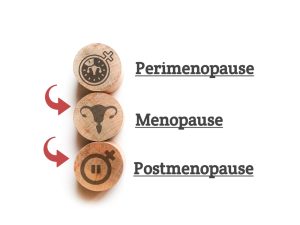

Many women notice that even after menopause has officially ended, their bodies continue to change in unexpected ways. This leads to an important question: How many postmenopausal symptoms are there?
The postmenopausal stage is not simply the “end” of hormonal shifts. Instead, it is a long-term transition period where estrogen, progesterone, and other hormones remain at consistently low levels, affecting nearly every system in the body.
Understanding these changes is key to recognizing up to 34 different postmenopausal symptoms early and seeking appropriate care.
What Is Postmenopause?
Postmenopause refers to the stage of life after a woman has gone 12 consecutive months without a menstrual period. At this point, ovarian hormone production, especially for estrogen and progesterone, has significantly declined and remains consistently low.
These hormones play essential roles in:
- Bone density
- Brain function
- Cardiovascular health
- Metabolism
- Mood regulation
- Skin and connective tissue health
Because these hormones influence so many systems, their long-term reduction can lead to a wide range of up to 34 distinct postmenopausal symptoms.
Why Postmenopausal Symptoms Occur
Postmenopausal symptoms occur because the body must adapt to a new hormonal baseline. Estrogen and progesterone previously acted as regulatory hormones that supported:
- Temperature regulation
- Bone remodeling
- Neurotransmitter balance
- Fat distribution
- Sleep cycles
- Vaginal and urinary tissue health
When these hormone levels remain low long-term, multiple systems adjust, sometimes leading to symptoms that affect quality of life
34 Postmenopausal Symptoms
Below is a comprehensive list of 34 common postmenopausal symptoms, along with explanations of their causes and effects.
1. Hot Flashes
Caused by changes in hypothalamic temperature regulation due to low estrogen.
2. Night Sweats
A nighttime version of hot flashes, disrupting sleep cycles and recovery.
3. Sleep Disturbances
Due to hormonal shifts that affect melatonin and cortisol balance.
4. Insomnia
Difficulty falling or staying asleep due to neuroendocrine imbalance.
5. Fatigue
Linked to disrupted sleep, mitochondrial changes, and hormonal decline.
6. Brain Fog
Because reduced estrogen affects neurotransmitter function and cognitive clarity.
7. Memory Issues
Lack of estrogen impacting memory centers in the brain and impairing recall.
8. Anxiety
Due to hormonal changes affecting GABA and serotonin regulation.
9. Depression
Linked to reduced estrogen and serotonin activity.
10. Irritability
Fluctuations in neurotransmitters and stress hormones that increase sensitivity.
11. Mood Swings
Hormonal instability affecting emotional regulation pathways.
12. Weight Gain
Caused by metabolic slowdown and insulin sensitivity changes.
13. Abdominal Fat Increase
Low estrogen shifting fat distribution toward visceral storage.
14. Loss of Muscle Mass
Reduced anabolic hormone activity leading to muscle breakdown.
15. Joint Pain
Lack of estrogen disrupting anti-inflammatory joint protection.
16. Muscle Aches
Inflammation and tissue repair processes becoming less efficient.
17. Bone Loss (Osteopenia/Osteoporosis Risk)
Less estrogen impacting bone density maintenance.
18. Dry Skin
Reduced collagen production and hydration support.
19. Wrinkles and Skin Thinning
Collagen loss accelerating skin aging.
20. Hair Thinning
Hormonal shifts affecting hair follicle growth cycles.
21. Hair Loss
Lower estrogen levels that shorten hair growth phases.
22. Vaginal Dryness
Reduced estrogen leading to thinning of vaginal tissue.
23. Painful Intercourse
Loss of lubrication and tissue elasticity.
24. Urinary Urgency
Weakened pelvic and bladder tissue support.
25. Urinary Incontinence
From a hormonal decline that affects pelvic floor strength.
26. Frequent Urinary Tract Infections
Changes in vaginal flora and tissue integrity.
27. Reduced Libido
Hormonal changes affecting sexual desire pathways.
28. Heart Palpitations
Lower estrogen with a negative influence on cardiovascular regulation and rhythm stability.
29. Increased Cholesterol
Metabolic shifts that can raise LDL levels.
30. Blood Sugar Instability
Lack of estrogen that affects insulin sensitivity and glucose metabolism.
31. Headaches
Hormonal changes triggering vascular and neurological sensitivity.
32. Dizziness
Blood pressure and autonomic regulation changes.
33. Cold Sensitivity
Metabolic rate reduction that affects thermoregulation.
34. Increased Inflammation
Less estrogen increasing systemic inflammation.
Why Symptoms Vary Between Women
Not all women experience the same 34 postmenopausal symptoms. Differences are influenced by:
- Genetics
- Lifestyle and diet
- Stress levels
- Sleep quality
- Pre-existing hormonal health
- Inflammation levels
- Body composition
Some women experience a few mild symptoms, while others experience significant disruption in daily functioning due to many moderate to severe postmenopausal symptoms from the list of 34 above.
The Role of Inflammation in Postmenopause
One of the most overlooked aspects of postmenopause is the role of inflammation. Estrogen has anti-inflammatory properties, so when levels decline:
- Inflammatory markers may rise
- Joint and muscle pain may increase
- Cognitive symptoms may worsen
- Cardiovascular risk may increase
This is why some postmenopausal symptoms overlap with metabolic and chronic inflammatory conditions.
Why Comprehensive Hormone Care Is Important
Postmenopausal health is not just about managing symptoms. It is about supporting long-term systemic balance. A comprehensive approach may include:
- Hormone evaluation
- Metabolic and cardiovascular testing
- Bone density monitoring
- Inflammation assessment
- Lifestyle and nutritional support
Without a full-body approach, many underlying drivers of symptoms may be missed.
Root-Cause Hormone Care in Postmenopause
A root-cause approach focuses on understanding why symptoms are occurring rather than only treating them individually. This may include evaluating:
- Hormonal decline patterns
- Insulin resistance
- Stress hormone imbalance
- Nutrient deficiencies
- Thyroid function
- Inflammatory load
By addressing these systems together, it becomes possible to improve overall quality of life rather than managing symptoms in isolation.
A Functional Medicine Approach to Women’s Hormone Health
Functional medicine focuses on restoring balance across multiple body systems rather than targeting single symptoms. For postmenopausal women, this approach may involve:
- Personalized hormone optimization strategies
- Nutrition designed to support metabolic health
- Stress and cortisol regulation
- Sleep optimization
- Inflammation reduction
- Bone and cardiovascular protection strategies
Because postmenopause affects multiple systems simultaneously, individualized care is often more effective than standard one-size-fits-all approaches.
Comprehensive Postmenopausal Care at True Life Medicine
If you are experiencing postmenopausal symptoms and you want a deeper, root-cause approach, specialized care can make a meaningful difference.
At True Life Medicine, women’s hormone health is approached through a comprehensive and individualized lens, focusing on identifying underlying imbalances and restoring long-term physiological stability. Our approach helps patients:
- Understand the root causes of postmenopausal symptoms
- Evaluate hormone, metabolic, and inflammatory health
- Create personalized hormone optimization plans
- Support long-term wellness and vitality
If you are seeking comprehensive, root-cause women’s hormone care, you can learn more here: https://truelifemedicine.com/womens-hormone-doctor-colorado-springs.
Summary: Postmenopausal Symptoms
Postmenopause is a complex biological transition marked by long-term hormonal changes that affect nearly every system in the body. The 34 postmenopausal symptoms outlined above reflect how deeply estrogen and progesterone influence brain function, metabolism, mood, cardiovascular health, and structural integrity.
While symptoms vary widely between individuals, they are all connected to the body’s adjustment to a lower-hormone state and the downstream effects that follow.
Because postmenopausal health involves multiple interconnected systems, a comprehensive, root-cause approach is often necessary to fully understand and manage symptoms. With the right evaluation and support, it is possible to improve quality of life and maintain long-term health and vitality after menopause.
For holistic postmenopausal care, visit True Life Medicine today: https://truelifemedicine.com/womens-hormone-doctor-colorado-springs