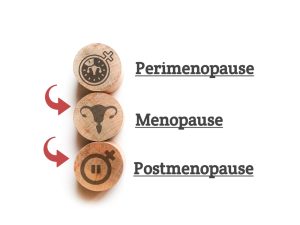

Estrogen plays a vital role in regulating mood, metabolism, energy, and reproductive health. When estrogen levels fall out of balance, it doesn’t just affect your monthly cycle—it can influence everything from sleep and focus to bone strength and emotional stability. Yet because hormonal changes often happen gradually, it can be hard to pinpoint what’s going on until symptoms start to interfere with daily life. So how can you know if your estrogen is low?
At True Life Medicine, we help patients uncover the root causes of hormonal imbalance and restore balance naturally through functional medicine. Knowing the signs of low estrogen—and knowing when to test—can help you take proactive steps toward long-term health and vitality.
Signs and Symptoms of Low Estrogen
While every person’s experience with hormonal imbalance is different, certain symptoms tend to appear when estrogen levels begin to decline. Because estrogen supports brain, bone, and cardiovascular health, its absence can create wide-ranging effects.
You might have low estrogen if you notice any of the following symptoms:
- Irregular or missed periods that become less predictable over time
- Hot flashes and night sweats, especially during perimenopause or menopause
- Mood swings, anxiety, or depression linked to hormonal fluctuation
- Fatigue and poor concentration, often described as “brain fog”
- Low libido or vaginal dryness affecting comfort and intimacy
- Weight gain, especially around the midsection
- Thinning hair, dry skin, or brittle nails due to reduced collagen production
In women of reproductive age, menstrual irregularities are often the first sign. For those approaching menopause, symptoms such as hot flashes and brain fog typically reflect estrogen decline. Because these issues overlap with thyroid disorders and adrenal stress, professional evaluation is essential.
How Testing Helps You Know If You Have Low Estrogen
While symptoms provide strong clues, laboratory testing helps you know whether your estrogen is low and why. Functional hormone testing doesn’t just measure estrogen—it evaluates how your entire endocrine system is performing together.
Common testing methods include the following:
- Serum blood tests: Measure estradiol (E2), progesterone, follicle-stimulating hormone (FSH), and luteinizing hormone (LH) to identify where you are hormonally
- Urine or saliva panels: Show how estrogen is metabolized and cleared by the liver
- Comprehensive hormone panels: Assess adrenal and thyroid hormones that influence reproductive balance
At True Life Medicine, we use advanced diagnostic tools that look beyond conventional “normal” ranges. Instead, we identify your optimal levels—the range where your body feels and functions at its best. This deeper analysis helps us create personalized hormone restoration plans that target the real cause of imbalance.
Why Estrogen Declines
Women can experience low estrogen for many reasons beyond menopause. Chronic stress, excessive exercise, poor nutrition, and low body fat can all disrupt hormone production. Thyroid dysfunction, gut imbalances, and environmental toxins can also interfere with estrogen metabolism.
If left unaddressed, long-term estrogen deficiency can lead to more serious health concerns such as osteoporosis, cardiovascular problems, and cognitive decline. That’s why addressing hormonal imbalance early is essential for both comfort and long-term wellness.
How Low Estrogen Impacts Overall Wellness
Low estrogen doesn’t just cause symptoms—it can shift how your entire body functions. Estrogen helps maintain the flexibility of blood vessels, supports neurotransmitter balance in the brain, and plays a crucial role in calcium absorption and bone density. When levels decline, these systems can become less efficient, resulting in fatigue, joint stiffness, and even changes in posture or muscle strength.
For many patients, whether they know it or not, low estrogen can also impact emotional well-being. Because this hormone influences serotonin and dopamine, its decline may cause heightened anxiety or low mood. Many women describe feeling “unlike themselves,” which can be emotionally distressing. The good news is that restoring balance often brings a noticeable lift in clarity, confidence, and overall sense of calm.
Lifestyle Factors That Support Healthy Estrogen
Hormone balance isn’t achieved by medication alone—it requires a foundation of good lifestyle habits. Prioritizing nutrient-rich meals, steady sleep, and healthy stress management can all make a measurable difference. Regular physical activity, particularly strength training, improves circulation, supports hormone signaling, and helps regulate insulin, which plays a key role in estrogen regulation.
Reducing alcohol, processed foods, and environmental toxins can also help. These substances can interfere with liver detoxification, which is essential for proper hormone metabolism. At True Life Medicine, we teach patients how to create an environment—internally and externally—that allows the body to thrive.
The Functional Medicine Approach to Restoring Hormone Balance
At True Life Medicine, we focus on uncovering the why behind your hormone changes instead of simply treating symptoms. Our natural hormone restoration program combines advanced testing with individualized nutrition, lifestyle adjustments, and bioidentical hormone support when appropriate.
This approach often includes the following:
- Nutritional guidance to promote natural hormone production
- Gut and liver detoxification support for better estrogen metabolism
- Stress reduction techniques to regulate cortisol and hormone signaling
- Sleep optimization to restore hormonal rhythms
- Targeted supplementation for key nutrients such as magnesium, zinc, and B vitamins
By addressing these foundational systems, we help your body restore balance from within. Many patients report improved mood, energy, and clarity within weeks of treatment.
When to Consider Functional Hormone Restoration
If you’ve been feeling unusually tired, moody, or foggy—or if you’ve noticed changes in your menstrual cycle, skin, or sleep—it might be time to get tested. Functional hormone restoration helps you know whether low estrogen is the culprit and offers a natural path toward renewal.
Rather than masking symptoms, our goal is to help your body communicate clearly again. With personalized testing, targeted support, and holistic care, you can regain steady energy, emotional balance, and a renewed sense of well-being.
Contact Us Today
If you suspect your estrogen is low or you’ve been struggling with unexplained hormonal symptoms, True Life Medicine can help. Contact us today or visit truelifemedicine.com/natural-hormone-and-thyroid-care-in-colorado-springs to learn more about our functional medicine approach to natural hormone and thyroid care in Colorado Springs.