
Acid reflux, commonly known as GERD (gastroesophageal reflux disease), is one of the most prevalent digestive disorders in the United States. Millions of people experience the uncomfortable burning sensation of acid reflux at least once a week, and for some, it becomes a chronic problem that disrupts daily life.
Because conventional treatments such as antacids or acid-blocking medications don’t always provide lasting relief, many people turn to natural or home remedies for help. One of the most popular is apple cider vinegar. Proponents claim it can soothe reflux, restore stomach acid balance, and improve digestion.
But is cider vinegar really a solution for GERD, or just a temporary fix? To answer that, we first need to understand what GERD is, why it happens, and what your body is really trying to tell you when reflux occurs.
What Is GERD?
Gastroesophageal reflux disease (GERD) occurs when stomach acid or partially digested food repeatedly flows back into the esophagus. This happens when the lower esophageal sphincter (LES), the small muscular valve between your stomach and esophagus, weakens or relaxes improperly.
Under normal conditions, the LES opens to let food enter the stomach and closes tightly afterward to keep stomach contents from coming back up. When the LES doesn’t function properly, acid reflux occurs, irritating the esophageal lining and causing that familiar burning sensation known as heartburn.
While occasional reflux can happen to anyone, GERD is diagnosed when this backflow becomes chronic, occurring more than twice a week or leading to complications such as inflammation or damage to the esophagus.
Typical Symptoms of GERD
Symptoms vary from mild discomfort to severe pain that interferes with daily life. Common signs include the following:
- Burning sensations in the chest or throat (heartburn)
- Regurgitation of sour liquid or food
- Chronic cough or throat irritation
- Hoarseness or sore throat
- Bloating and excessive burping
- Difficulty swallowing (dysphagia)
- The feeling of a lump in the throat
While GERD primarily affects the digestive system, chronic reflux can lead to secondary issues such as poor sleep, fatigue, and increased anxiety—making it an important issue to address comprehensively.
The Cider Vinegar Remedy: Where It Comes From
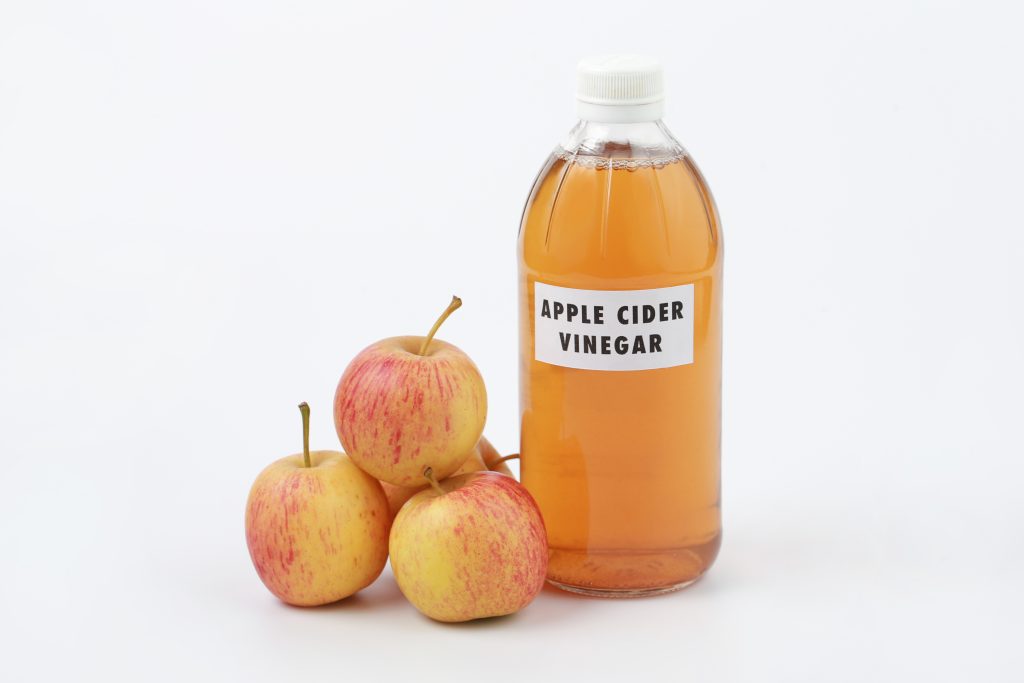
Apple cider vinegar (ACV) has been used for centuries as a natural digestive aid. It’s made by fermenting crushed apples with yeast and bacteria, producing acetic acid.
Supporters of cider vinegar for GERD argue that some people don’t actually have too much stomach acid, but too little. The idea is that by increasing the stomach’s acidity slightly with vinegar, digestion improves, the stomach empties more efficiently, and less gas or pressure pushes contents upward.
Common ways people use cider vinegar for GERD include the following:
- Mixing 1–2 teaspoons of raw apple cider vinegar in a large glass of water before meals.
- Adding ACV to salads or meals to help stimulate digestion naturally.
Some users report mild improvement in reflux symptoms, especially if their reflux stems from low stomach acid rather than overproduction.
What Science Says About Cider Vinegar and GERD
The scientific evidence supporting apple cider vinegar for GERD is limited. While ACV may have some mild antimicrobial and digestive benefits, there are no large clinical studies showing that it consistently relieves acid reflux or heals esophageal damage.
In fact, for some individuals, the acidity of vinegar can worsen symptoms, especially if the esophagus is already irritated. Drinking undiluted vinegar can burn the throat or damage tooth enamel over time.
That said, in people with low stomach acid (a condition more common than many realize), very small amounts of diluted ACV might help stimulate digestion before meals. However, this should be done carefully, ideally under the guidance of a healthcare provider familiar with functional medicine or integrative care.
The bottom line: Apple cider vinegar may help some people with GERD but harm others. It’s not a cure for GERD, and it doesn’t address the root causes that trigger reflux in the first place.
Why Cider Vinegar Isn’t a Complete Solution
Even when apple cider vinegar provides temporary relief from GERD, it doesn’t fix the underlying issues causing reflux. GERD is rarely about stomach acid alone—it’s often a symptom of deeper imbalances in digestion, diet, or lifestyle.
Here are some reasons why relying on vinegar alone may fall short:
- It doesn’t heal the esophagus. Chronic reflux causes inflammation that needs targeted healing.
- It ignores lifestyle triggers. Stress, sleep, and posture all influence reflux frequency.
- It doesn’t rebalance gut bacteria. Many cases of reflux are linked to gut dysbiosis or small intestinal bacterial overgrowth (SIBO).
- It may irritate symptoms in people with true high acid levels. Without testing, you can’t know whether your reflux stems from too much or too little acid.
Healing GERD long-term requires a whole-body approach, not just a single supplement or home remedy.
A Functional Medicine Approach to GERD
Functional medicine looks beyond symptoms to identify and treat the root causes of illness. Rather than asking, “What drug can reduce acid?” functional medicine asks, “Why is the acid reflux happening in the first place?”
A functional medicine approach to GERD may include the following strategies:
1. Identifying Root Causes
Comprehensive testing can reveal whether reflux stems from low stomach acid, food sensitivities, bacterial imbalance, or inflammation. Correctly identifying the cause is crucial before choosing any treatment, including cider vinegar for GERD.
2. Healing the Gut
Supporting the gut lining through anti-inflammatory nutrition, probiotics, and digestive enzymes helps restore balance. A healthy gut improves nutrient absorption and reduces reflux triggers.
3. Optimizing Stomach Acid Naturally
If low stomach acid is part of the problem, practitioners may recommend targeted strategies such as bitters, lemon water, or gentle HCl supplements under professional guidance. These approaches can improve digestion without irritating the esophagus.
4. Reducing Inflammation
Dietary changes to reduce inflammatory foods (such as sugar, alcohol, and processed oils) are key. Anti-inflammatory foods, such as leafy greens, turmeric, and omega-3-rich fish, support healing throughout the digestive tract.
5. Adjusting Lifestyle
Functional medicine emphasizes small sustainable habits that make a big difference:
- Eating smaller, slower meals
- Avoiding lying down after eating
- Elevating the head of the bed for better nighttime digestion
- Managing stress with relaxation or breathing techniques
6. Addressing Food Sensitivities
Some people experience reflux due to sensitivities to gluten, dairy, or processed foods. Identifying and removing these triggers can drastically reduce reflux episodes.
Restoring Gut Balance with True Life Medicine
GERD doesn’t have to be a lifelong struggle or a daily source of discomfort. At True Life Medicine, our team focuses on treating the body as an integrated system, not a collection of separate symptoms. By understanding the unique interactions between digestion, hormones, and lifestyle, patients experience lasting relief from reflux and renewed overall health.
If you’re currently relying on over-the-counter antacids, acid-blocking medications, or home remedies for GERD such as apple cider vinegar without lasting results, it may be time to look deeper. A personalized, holistic plan can reveal what your body truly needs in order to heal.
For personalized care and functional medicine support for GERD and digestive health, contact True Life Medicine today.